How to Know When Drywall Needs to Be Repaired
Common signs that a wall or ceiling needs attention before the damage becomes a larger finishing problem.
Read Article →
Damaged walls and ceilings can make an otherwise well-maintained home look unfinished. Drywall Pros provides drywall repair in Littleton, CO, for holes, cracks, ceiling damage, water-damaged drywall, texture problems, and other common interior wall issues.
Whether you need a small drywall patch, a damaged ceiling repaired, an existing texture matched, or new drywall installed, we help you understand the work your property needs and choose a practical next step.

A damaged wall does not always require a major renovation. Small holes left by wall anchors, cracks along drywall seams, dents from moving furniture, and damaged ceiling sections can often be addressed with the right repair method.
Drywall Pros helps homeowners and property owners in Littleton, Colorado, with practical solutions for damaged, unfinished, or deteriorating drywall. We consider the size of the damage, the condition of the surrounding material, the existing wall texture, and whether the affected section needs a patch or replacement.
Our work covers common residential drywall needs, from repairing a single hole to finishing new drywall in a remodeled room or basement. The goal is to leave the surface properly prepared, neatly finished, and ready for the next stage of your interior project.
If you are unsure whether your wall needs a minor patch or more extensive work, contact us and describe what you are seeing.
Different types of drywall damage require different solutions. Explore our services to find the right starting point for your project.
From a small hole to a damaged ceiling or unfinished basement, the right approach depends on the condition of the surface and the finish you need.
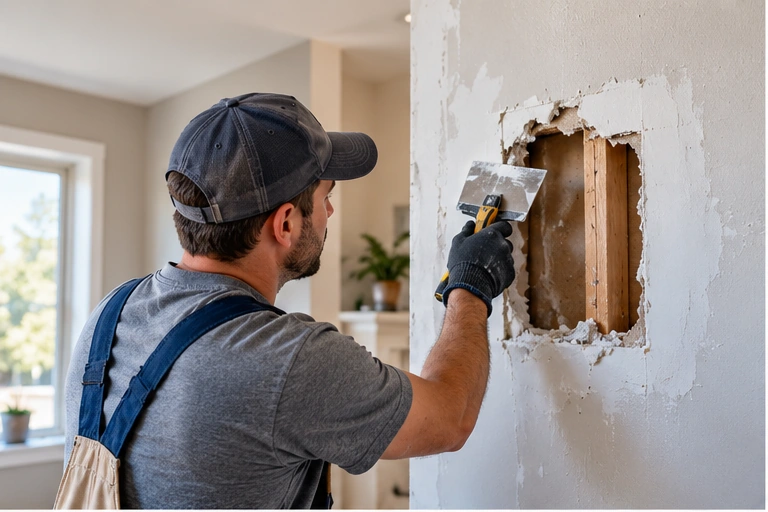
Holes can result from door handles, furniture impacts, wall anchors, mounted shelves, moving, or everyday accidents. Repairs range from filling small holes to fitting a replacement piece of drywall for larger openings. The area is prepared, patched as needed, and finished to help it blend with the surrounding wall.
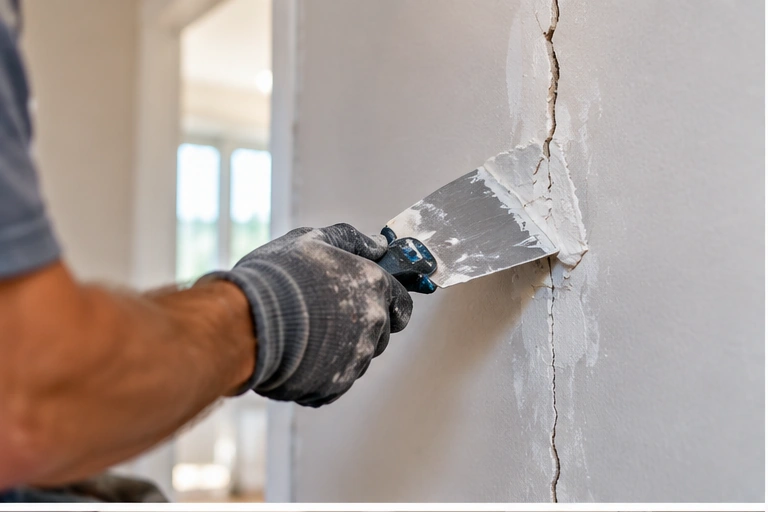
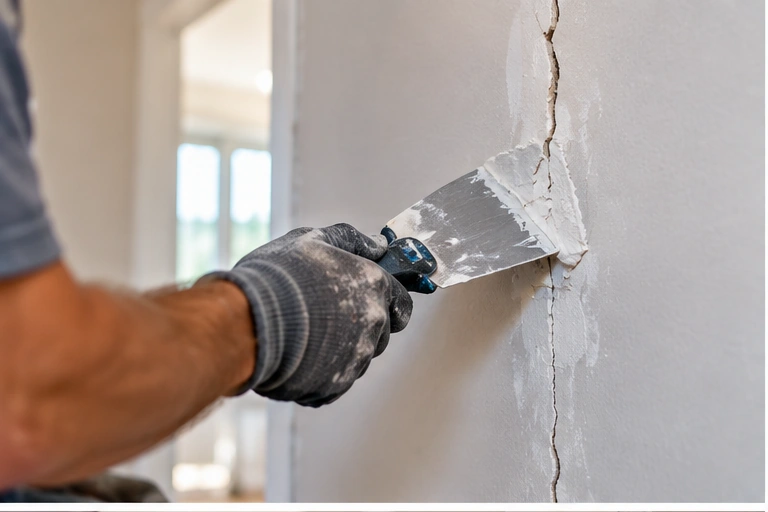
Explore Drywall Hole Repair →Cracks may appear along drywall seams, corners, joints, or previously repaired areas. Some are surface-level issues, while recurring or widening cracks may need closer evaluation before the surface is repaired. The aim is to prepare the affected area and select a suitable method rather than simply cover the visible line.
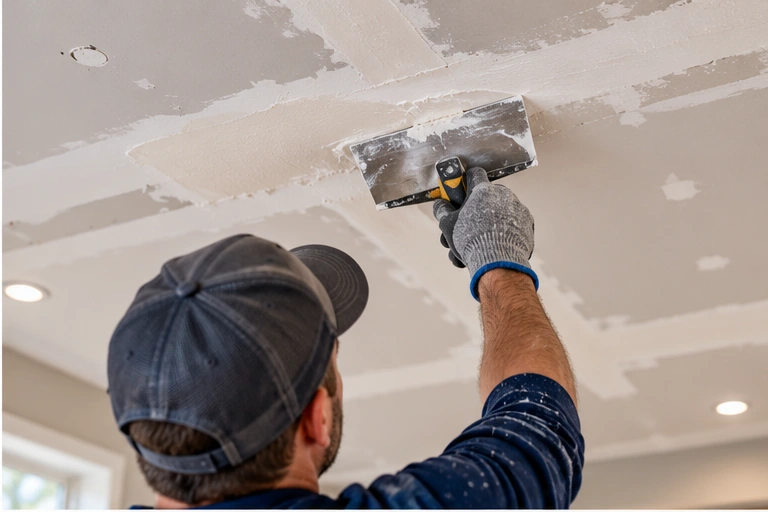
Explore Drywall Crack Repair →Holes, cracks, loose texture, stains, and damaged ceiling sections can affect a room’s appearance. We assess the affected area to determine whether patching, finishing, texture work, or partial drywall replacement is the more appropriate solution.
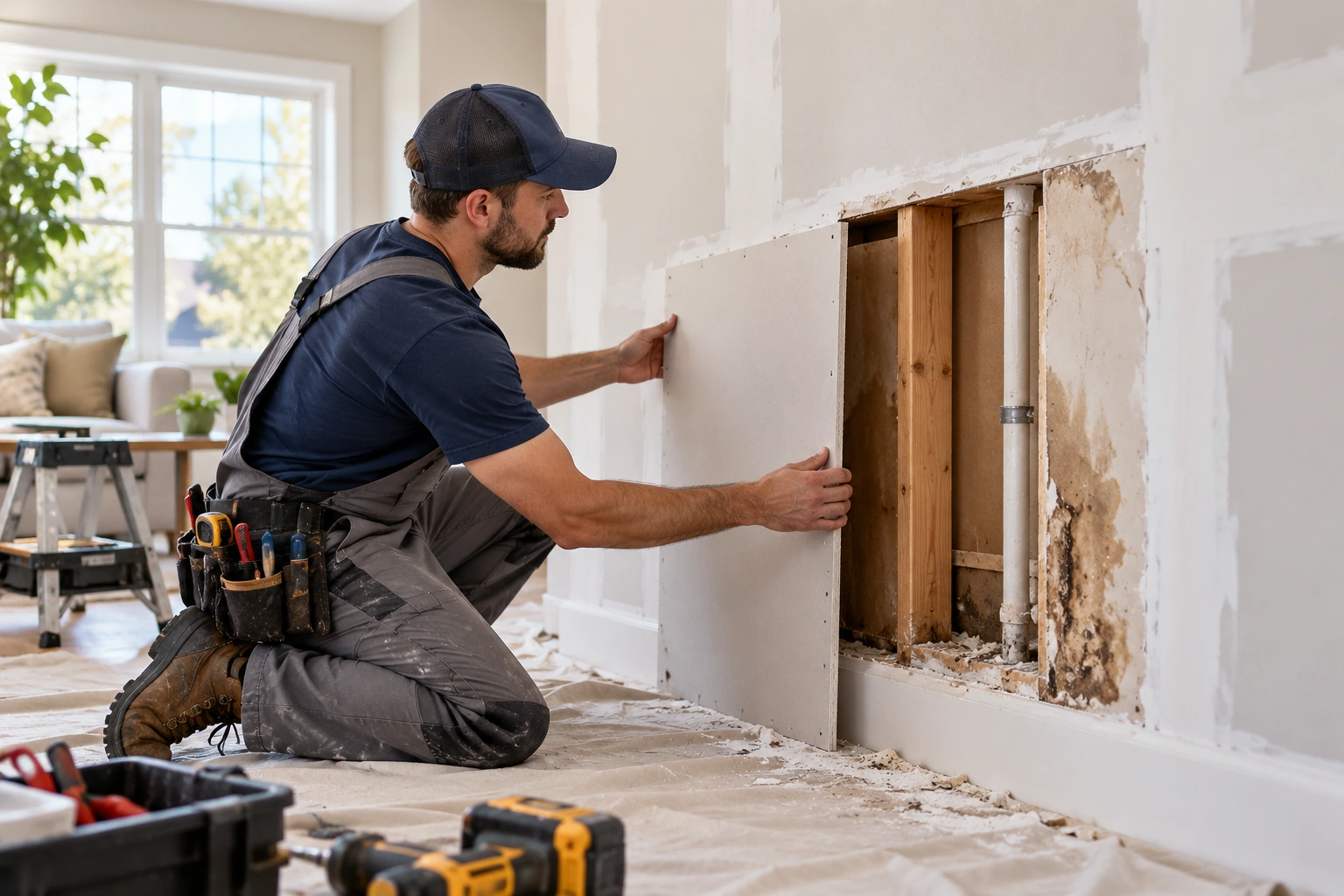
Explore Ceiling Drywall Repair →Leaks and moisture can leave drywall stained, swollen, soft, bubbling, peeling, or deteriorated. You may also notice discoloration on a ceiling, a musty smell near a wall, loose paint, or damage that keeps returning after a previous repair.
Before cosmetic repairs begin, the source of the water must be identified and addressed. This may involve a plumbing leak, roof leak, or another source of moisture. The affected area should be appropriately dry before the drywall is repaired or replaced. Covering a stain or patching damaged material without resolving the moisture problem can lead to recurring damage.
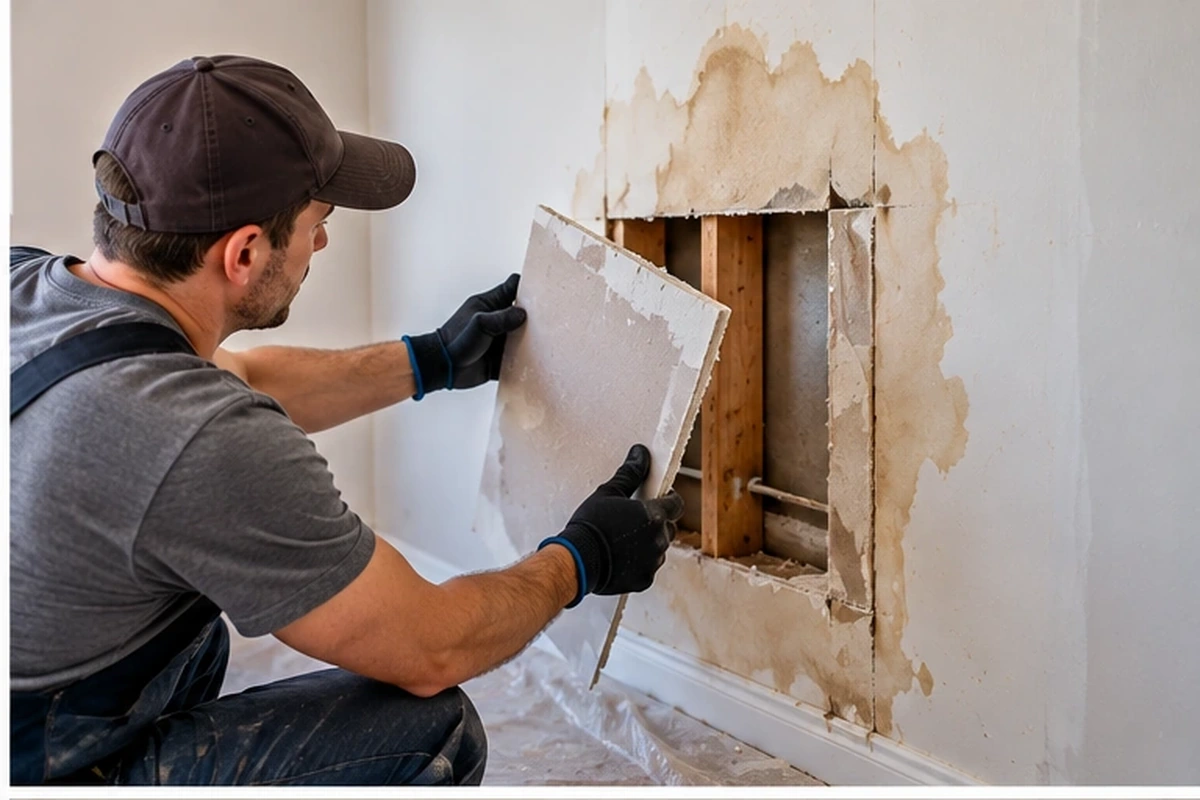
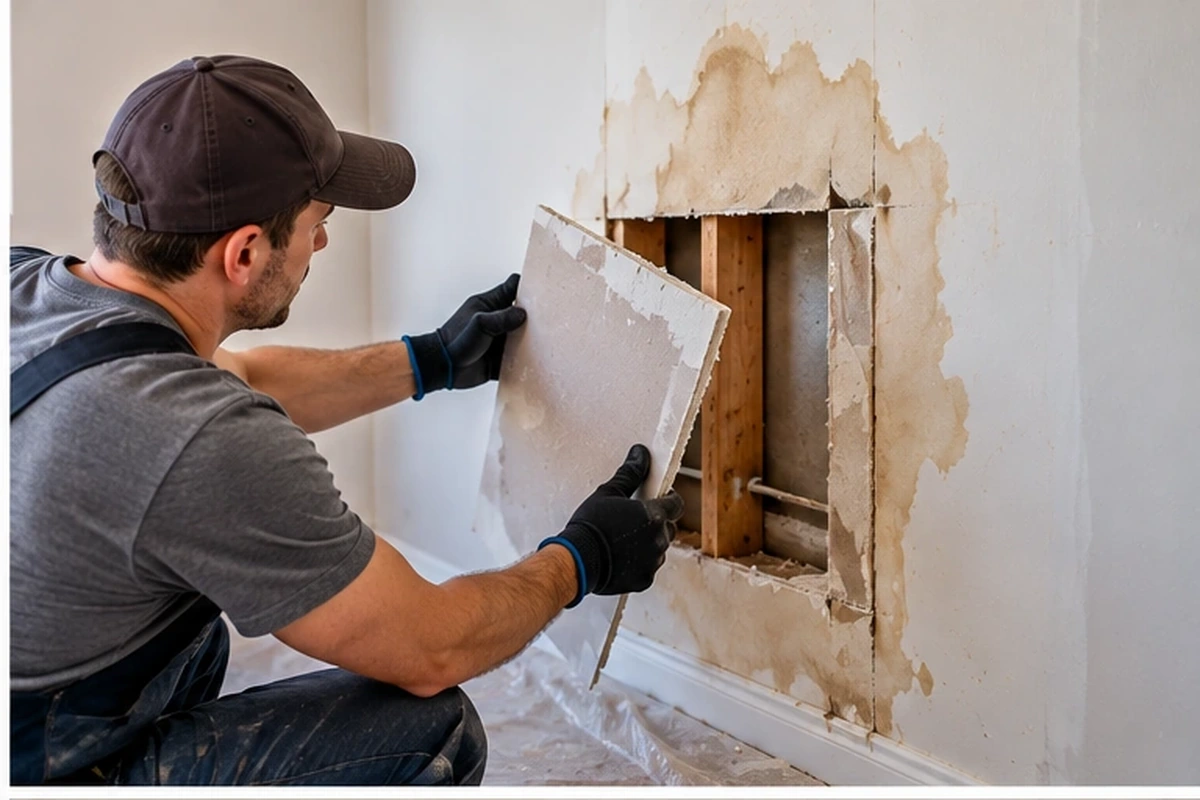
Material that remains sound may be suitable for repair, while swollen, soft, crumbling, or badly deteriorated sections may need to be removed and replaced. If the damage is extensive or there are signs of ongoing moisture, further assessment may be needed before restoration work starts.
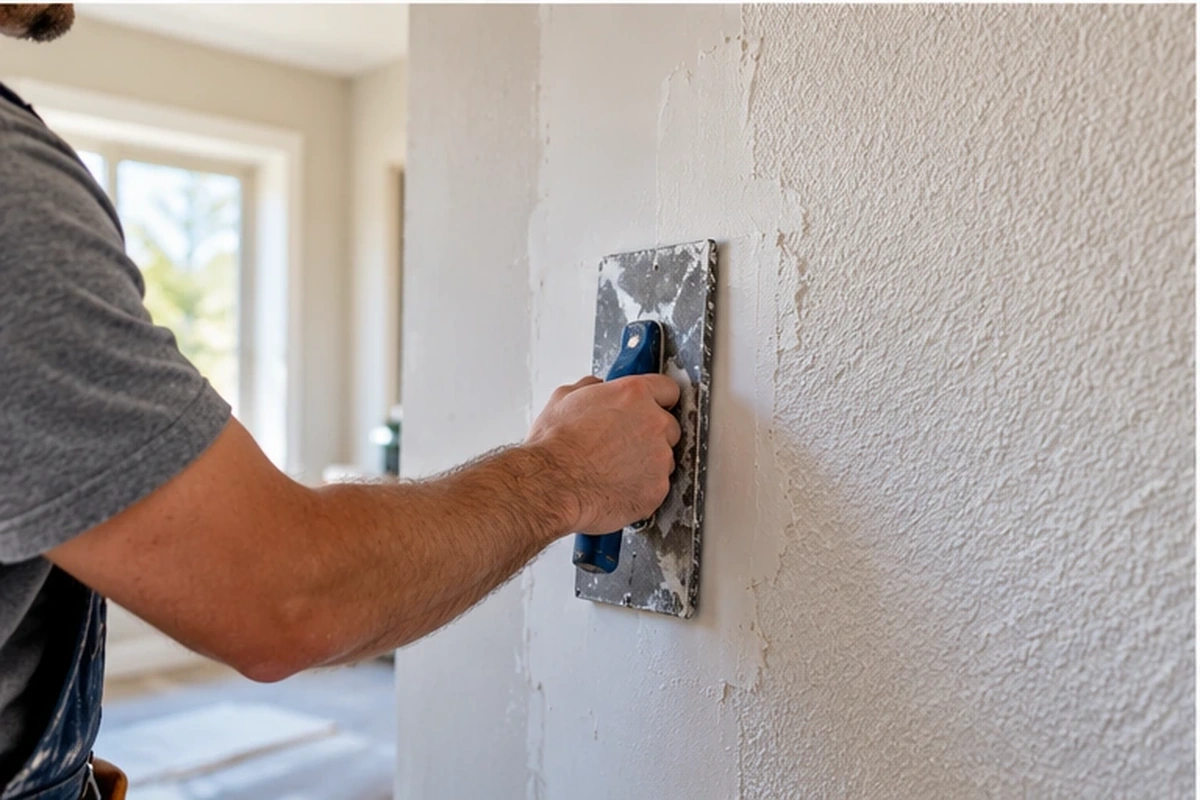
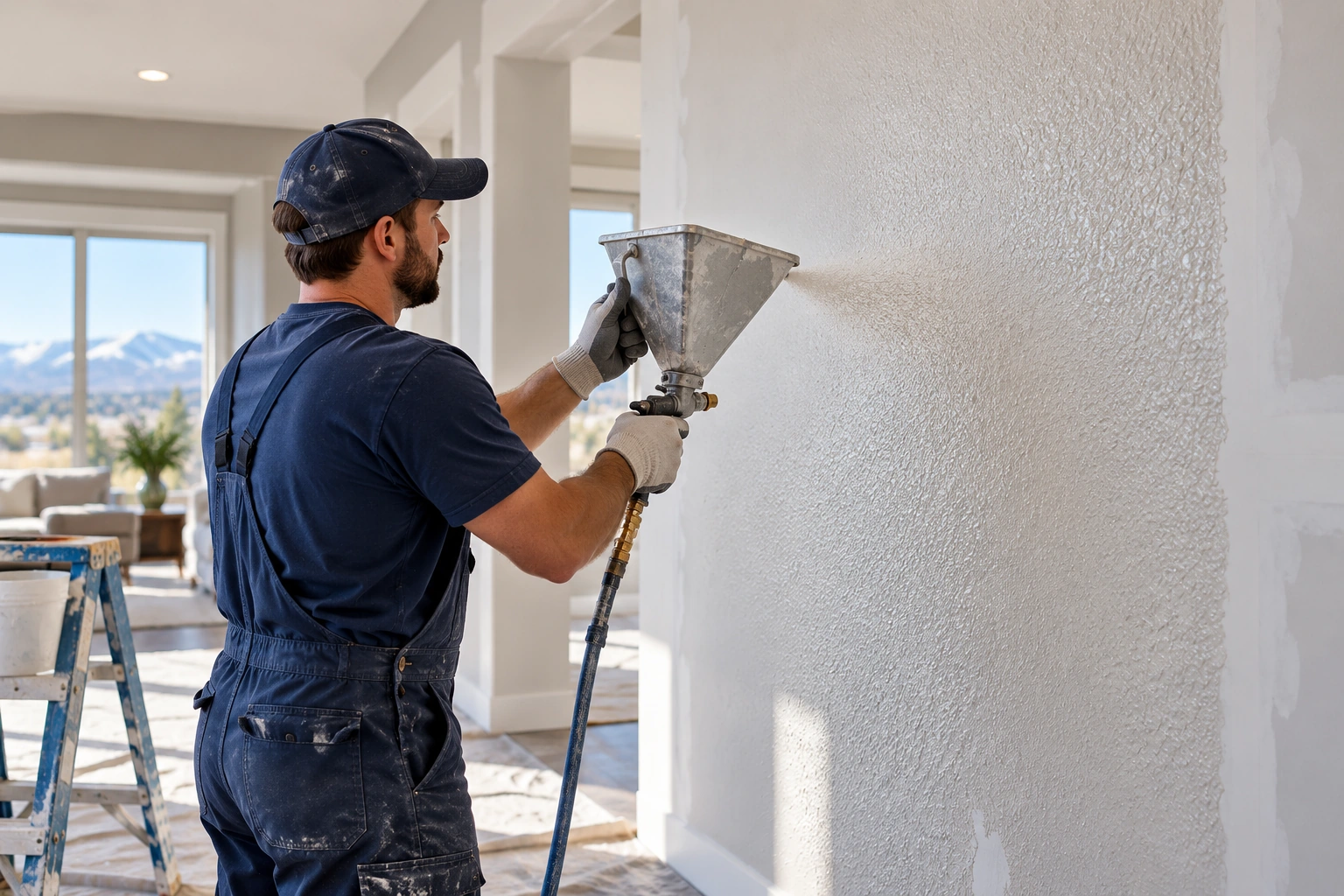
Explore Water-Damaged Drywall Repair →A patch may remain noticeable if the surrounding wall has a different texture. Texture matching helps the repaired area fit more naturally with the existing finish. Depending on the surface, work may involve orange peel, knockdown, popcorn, or smooth finishes. The final blend depends on the original texture, paint, lighting, and surrounding surface.
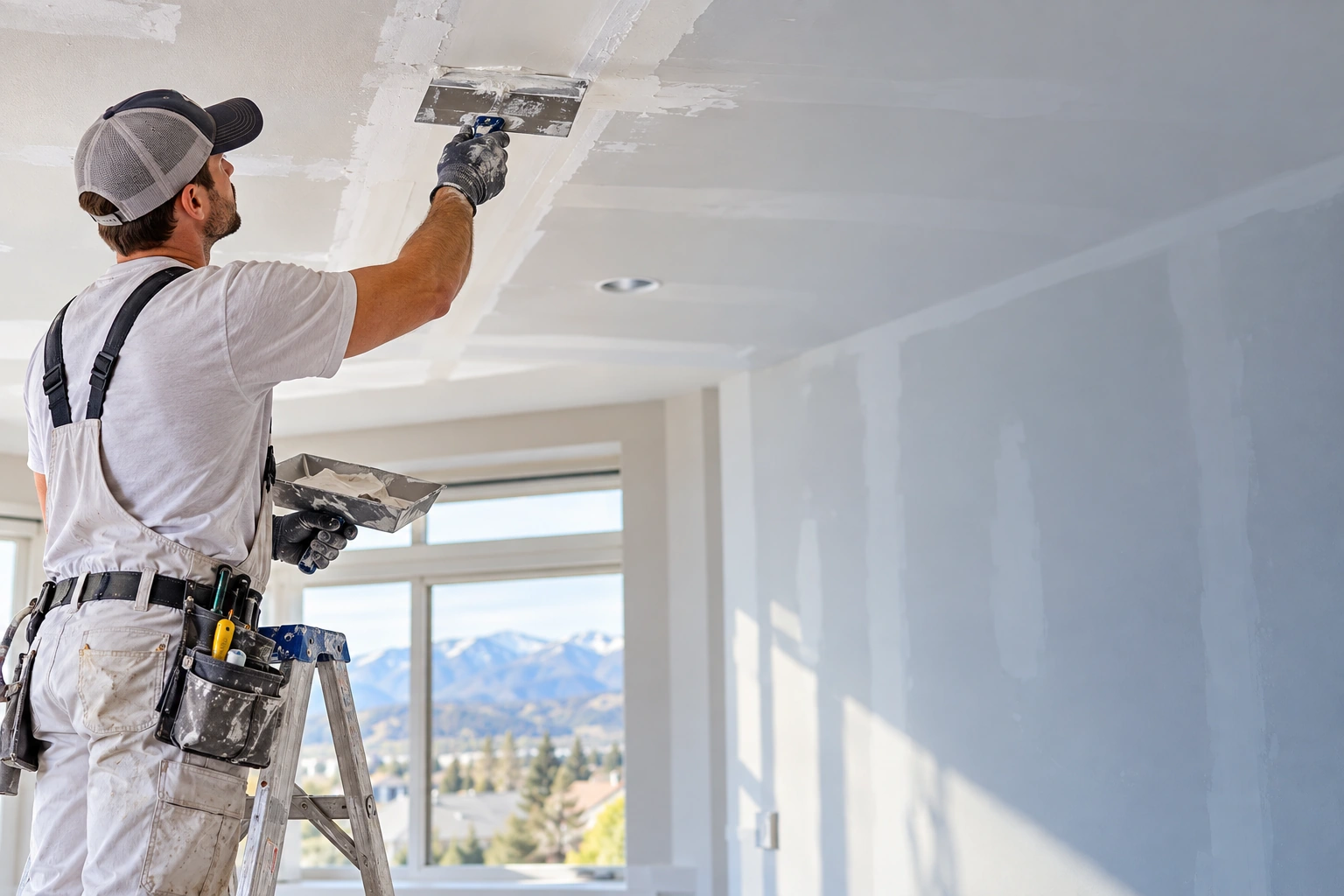
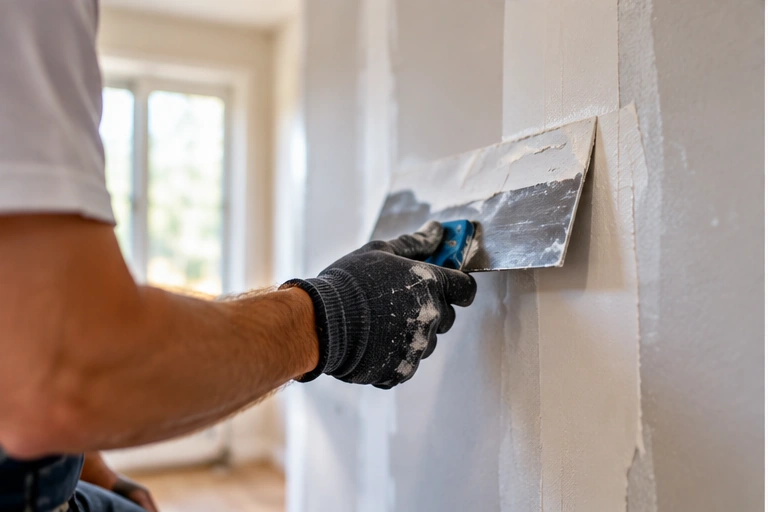
Explore Texture Matching →Proper finishing helps create an even surface before painting or applying the final wall finish. The process can include taping joints, applying joint compound, sanding, and preparing repaired or newly installed drywall to reduce visible seams and surface imperfections.
Explore Drywall Finishing →Drywall that is heavily damaged, deteriorated, or compromised by moisture may need to be removed and replaced. We consider the extent of the damage and the condition of the surrounding material when determining whether partial replacement is more suitable than another repair.
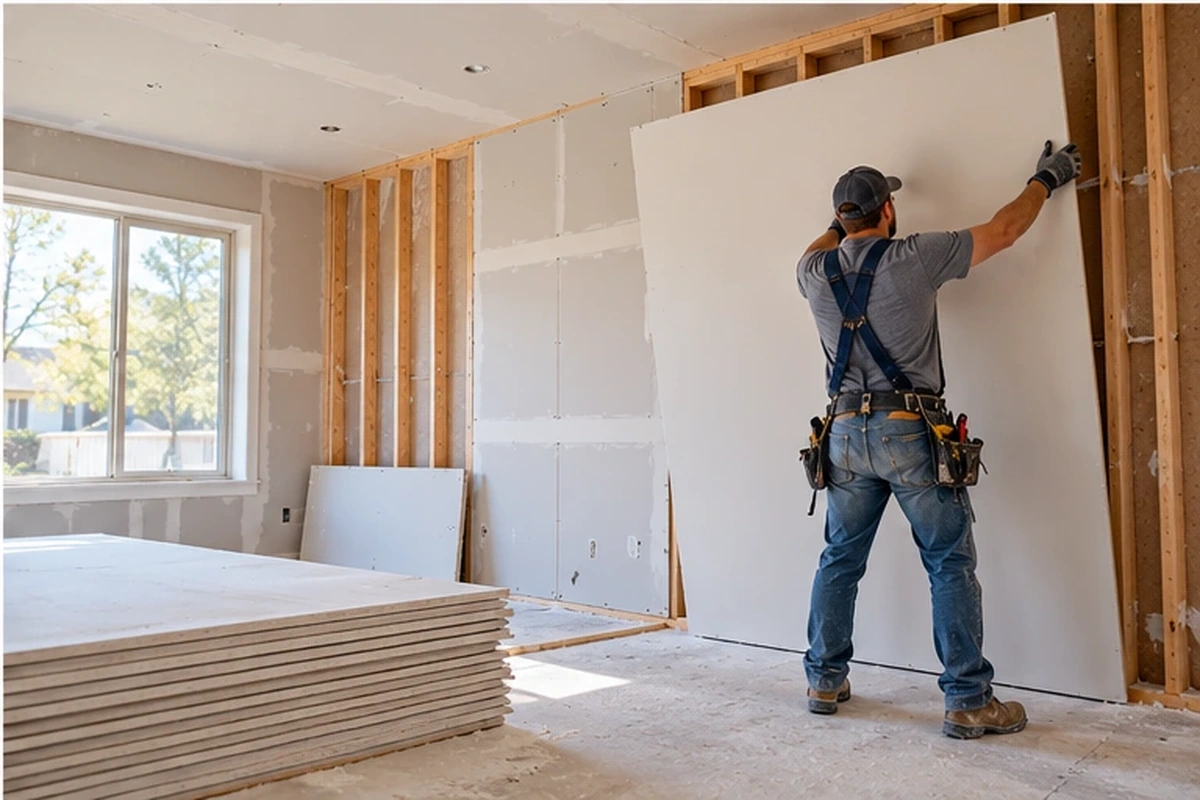
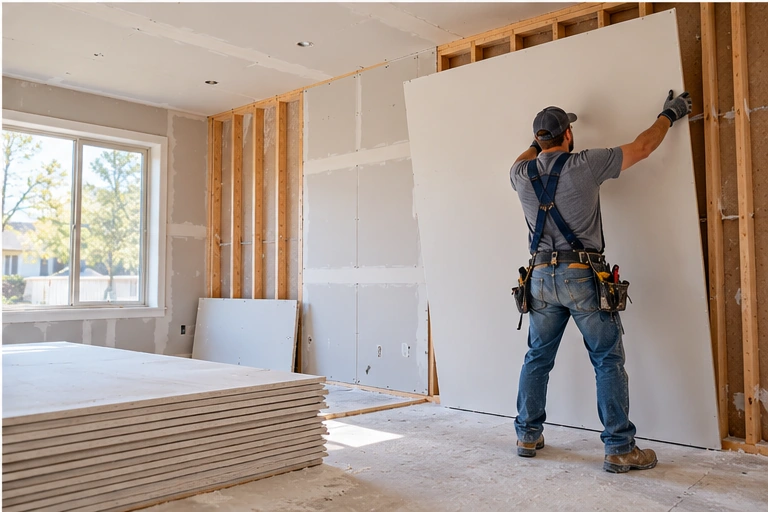
Explore Drywall Replacement →New drywall may be needed during remodeling, room updates, additions, or other residential improvement projects. Installation involves more than attaching panels; the joints and surfaces must also be prepared for finishing.
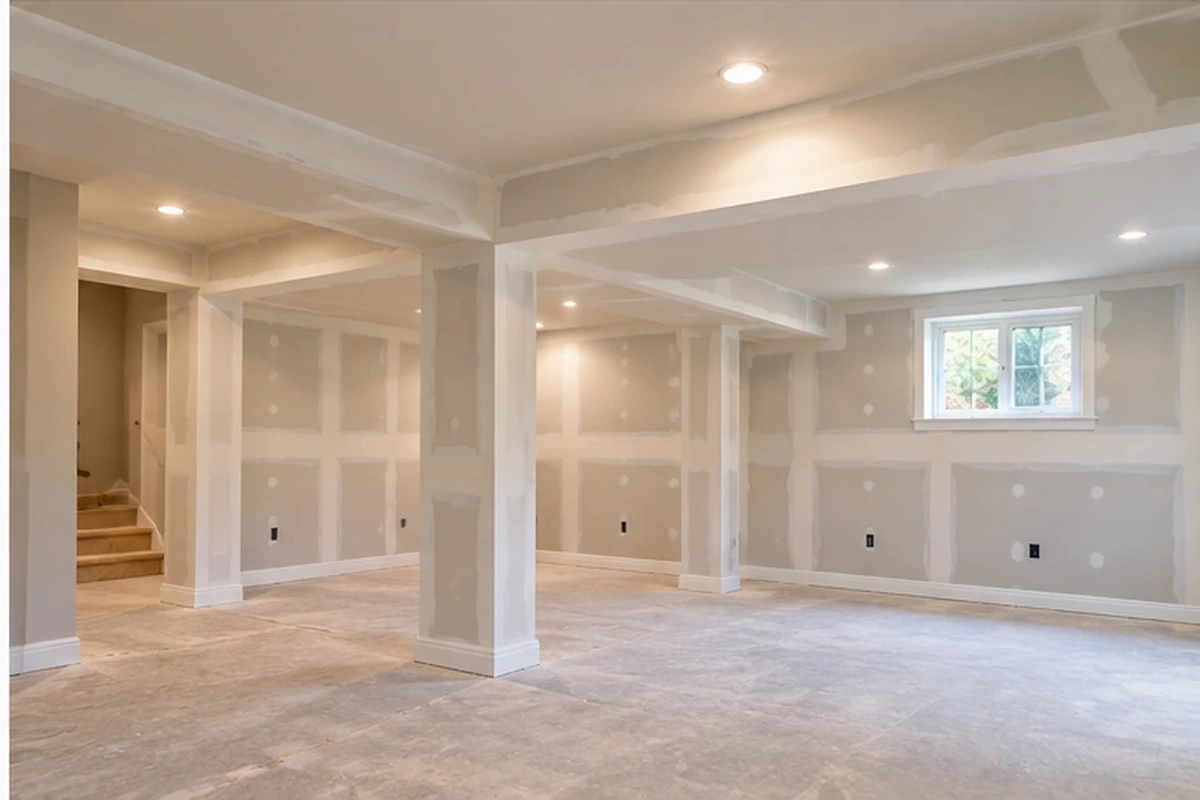
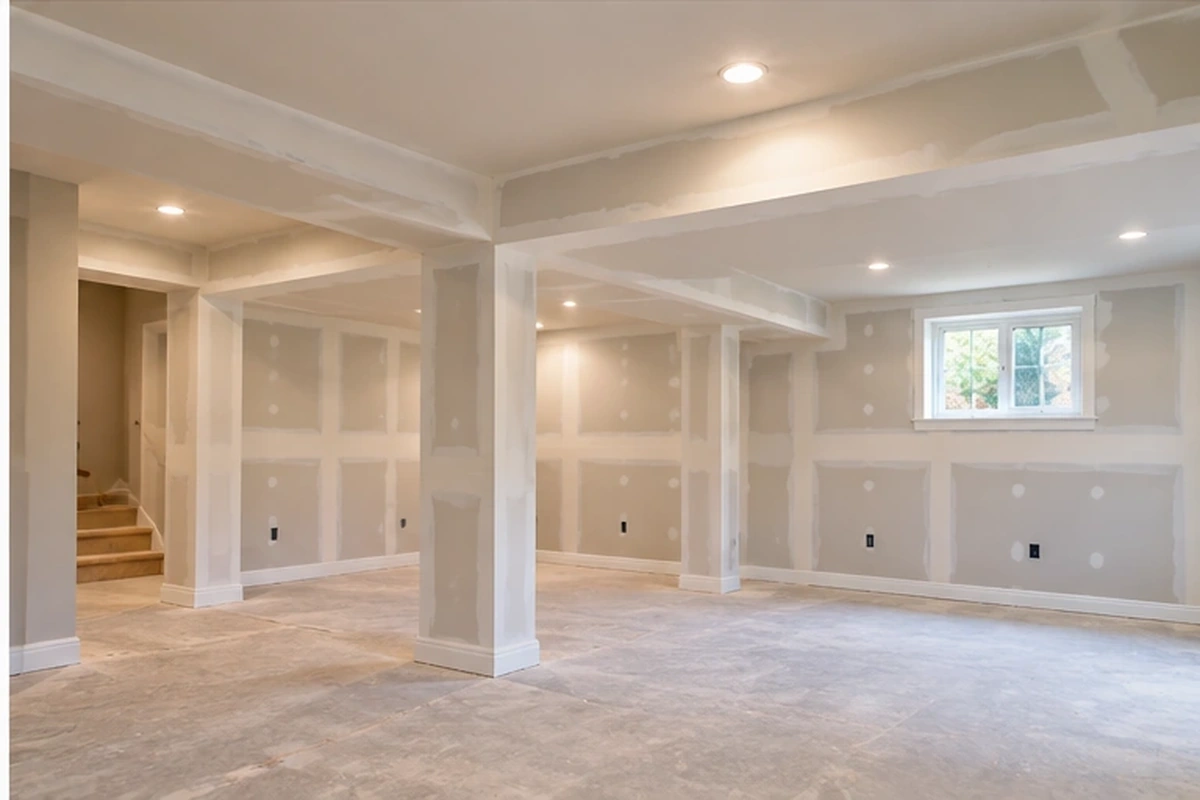
Explore Drywall Installation →An unfinished or remodeled basement may need drywall installation, replacement, or finishing to create a more complete interior space. The right approach depends on the room layout, existing surfaces, and condition of the area.
Explore Basement Drywall →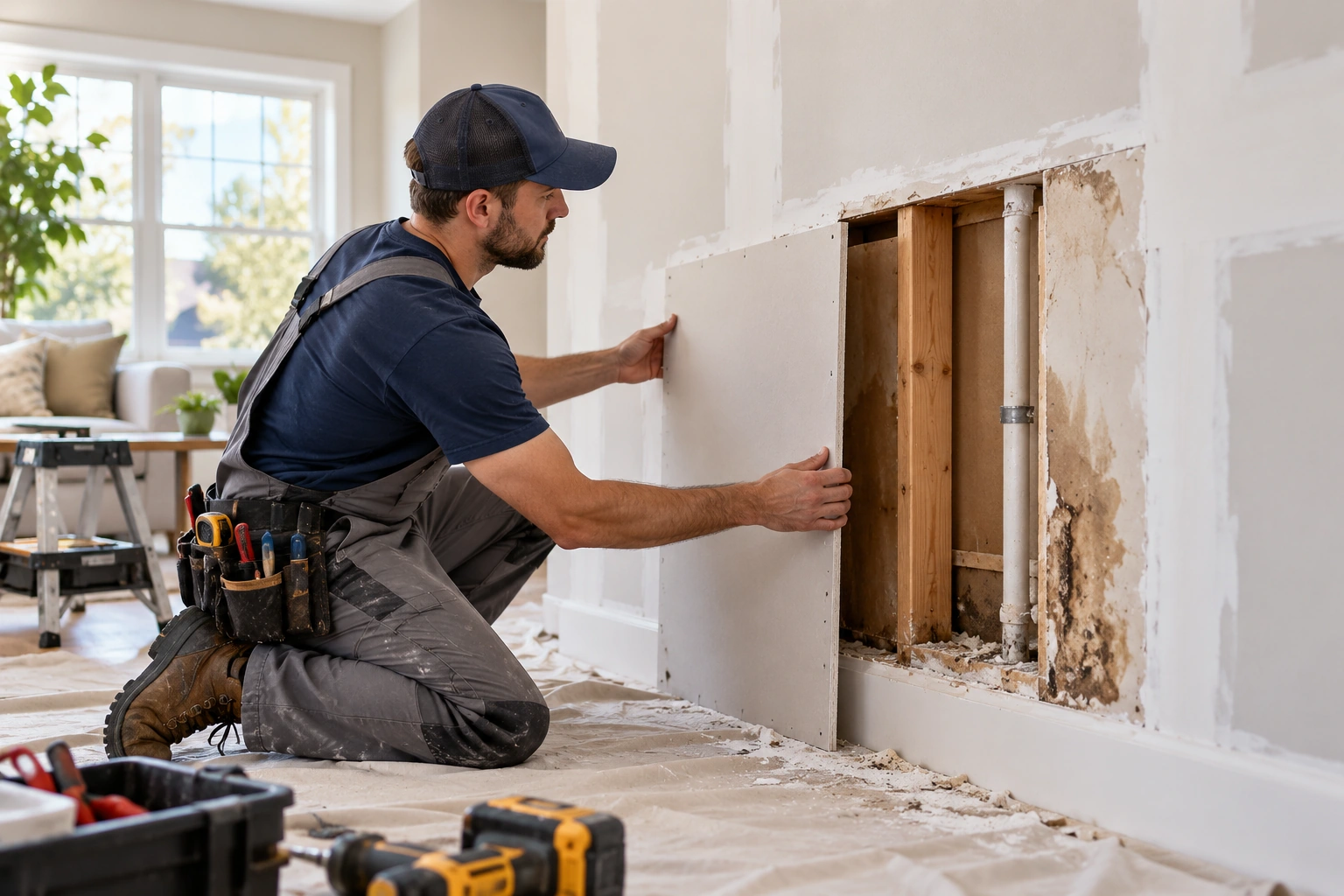
Some drywall issues are mainly cosmetic, but others can point to a problem that deserves attention. Addressing damage appropriately can help maintain the appearance and condition of your interior surfaces.
Holes, dents, cracks, and uneven patches can make a room look neglected. Proper drywall repair helps restore a cleaner, more consistent wall or ceiling surface.
Water stains, swelling, soft spots, bubbling paint, and peeling finishes may indicate moisture exposure. The source of the water should be resolved before the affected drywall is repaired or replaced. Soft, crumbling, or visibly deteriorated material may require replacement rather than a surface patch.
When cracks or damaged seams return, repeatedly applying filler may not solve the underlying issue. The damaged area should be assessed so the repair method fits the condition.
Proper finishing creates a more consistent base for painting and decorating. New drywall and well-finished repairs can also help bring together interior updates, room renovations, and basement projects.
Not sure which service you need? Start with the signs you can see and share what you have noticed when requesting a quote.
Often caused by wall anchors, nails, furniture, door handles, or accidental impacts. The correct repair depends on the size and depth of the damage.
Cracks can develop around joints, corners, or previous repairs. Cracks that return or become wider should be evaluated rather than repeatedly covered.
Small raised spots or exposed fastener holes can affect the appearance of a finished wall and may require more than a quick coat of filler.
Discoloration, loose material, cracks, or sagging may need assessment. If moisture is involved, the cause should be addressed before the drywall is restored.
These can be signs of moisture exposure. Look for swelling, peeling paint, crumbling material, recurring stains, or a musty smell around the affected area. The moisture source should be addressed, and the drywall should be assessed for repair or replacement before cosmetic work begins.
Repairs can remain visible when the texture, surface level, or finishing differs from the surrounding wall. Texture matching and careful sanding can help improve the blend.
Exposed joints, rough seams, and uneven compound can leave a room looking incomplete. Drywall finishing prepares the surface for the next stage.
If you are unsure what caused the damage, describe its location, approximate size, and any changes you have noticed. If you suspect an active leak, address the source before arranging cosmetic drywall restoration.
The best solution depends on the condition of the material, not just the size of the visible mark.
Knowing what happens next can make a drywall project easier to plan. Our process starts with understanding the damage, gathering useful project details, and determining whether a patch, partial replacement, or another type of drywall work may be appropriate.
Call, email, or use the contact form to describe the wall or ceiling damage. Let us know what happened if you know the cause, where the damage is located, and approximately how large the affected area is.
It also helps to mention whether the problem is on a wall or ceiling, whether the surface has an existing texture, and whether you have noticed changes such as a recurring crack, water stain, soft drywall, or peeling paint.
Photos can help communicate the condition of the area before the next step.
When possible, share:
For water-related damage, explain whether the source of the moisture has been addressed. Photos and descriptions can help with an initial discussion, although they may not reveal hidden damage or replace an in-person assessment when one is needed.
The size and location of the damage, the condition of the surrounding drywall, the existing texture, and the apparent cause all help determine the appropriate approach.
A small hole in otherwise sound drywall may be suitable for patching. A larger opening may need a replacement piece, while recurring cracks may require closer evaluation before repair. Water-damaged drywall needs particular care because swollen, soft, or deteriorated material may not provide a sound base for a patch.
The goal is to identify the type of work the surface needs rather than automatically choosing the smallest or largest repair.
Patching may be suitable when the damage is localized and the surrounding material remains sound. Partial replacement may be more appropriate when a section is heavily damaged, deteriorated, or compromised by moisture.
If water is involved, the source of the moisture should be corrected before cosmetic restoration. The affected material should then be assessed to determine whether it can be repaired or needs replacement.
The extent of the damage, preparation required, surface texture, and finishing work can all affect the scope of a project. If the damage cannot be fully assessed from the information available, further inspection may be needed before the repair method is finalized.
Good results depend on preparation. Damaged material may need to be removed, edges prepared, joints treated, and the repair built up carefully. Where replacement is required, the new section must be properly fitted before finishing begins.
Joint compound, sanding, and texture work help prepare the repaired area for its final finish. Where practical, the repaired surface is blended with the surrounding wall or ceiling.
The work needed depends on the existing surface. A smooth wall, textured wall, and ceiling with a distinctive finish may each require a different finishing approach.
The goal is a clean, stable, paint-ready surface that fits naturally with the rest of the room. The exact visual match depends on the existing texture, paint, lighting, and surface condition.
Before contacting Drywall Pros, gather the basic details about your project: the location of the damage, its approximate size, whether it is on a wall or ceiling, the likely cause if known, and whether the surface has a texture that needs matching. If the damage is related to water, note whether the leak or moisture source has been addressed.
Sharing these details and clear photos can make the initial conversation more useful and help identify the appropriate next step. The final scope of work depends on the condition of the affected area and whether further assessment is needed.
Request a Drywall Quote →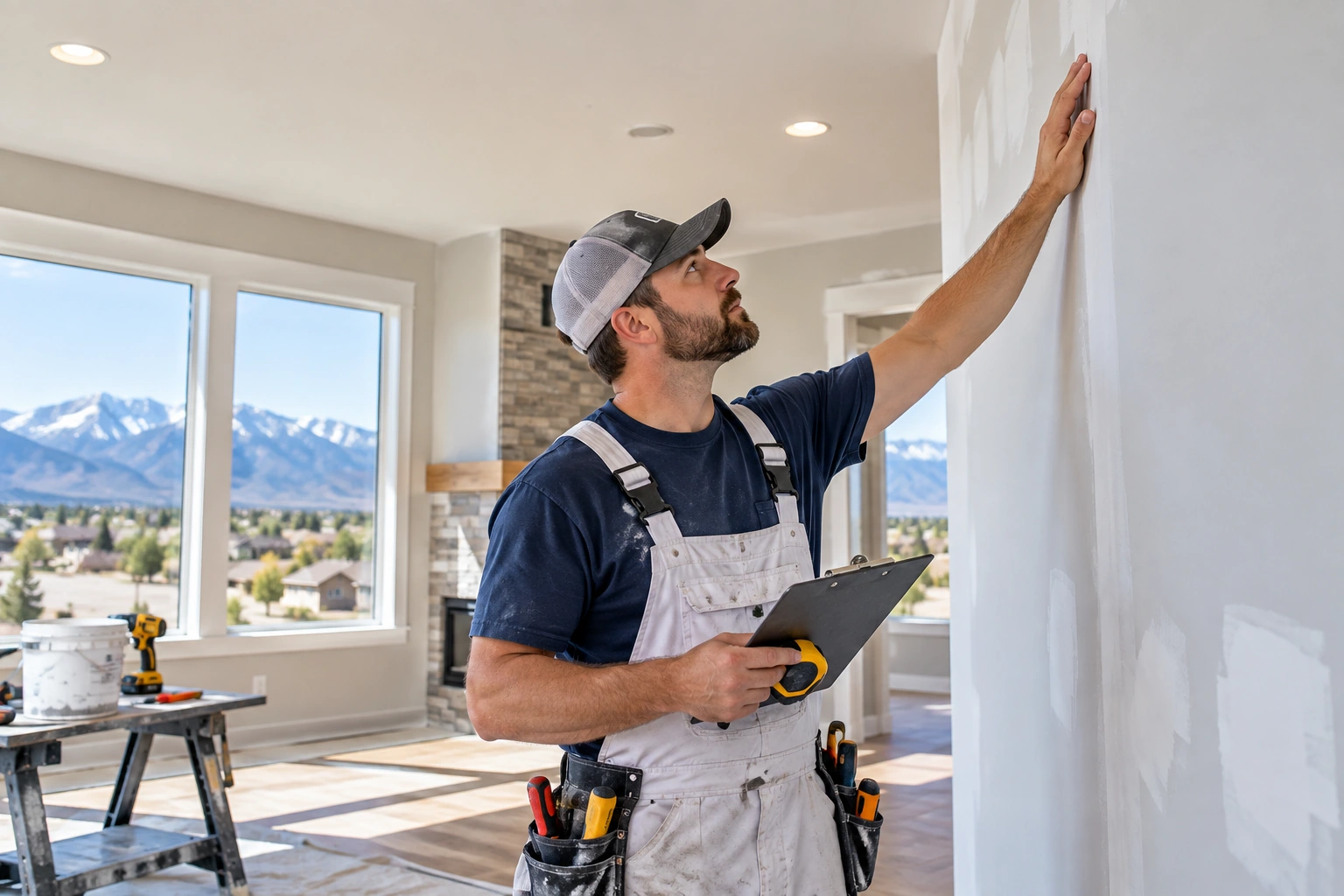
Drywall Pros serves customers in Littleton, Colorado, and surrounding communities with drywall repair, installation, and finishing services. Since 2015, our focus has been on helping customers address common wall and ceiling problems and complete suitable interior drywall projects.
From a small hole left by a wall mount to a damaged ceiling section or unfinished basement, every project starts with understanding the condition of the surface and the work required.
We aim to keep the process clear: understand the problem, identify a suitable repair approach, prepare the surface carefully, and complete the finishing work with attention to the surrounding wall or ceiling.
Location: 10127 W Waterton Rd, Littleton, CO 80125
Good drywall work depends on preparation, finishing and communication—not just filling a hole.
Services are centered on surface preparation, joints, edges, texture, repair, installation and finishing.
Not every damaged wall needs replacement, and not every section is suitable for a patch. Material condition guides the approach.
We consider the surrounding surface so repaired areas can blend as naturally as practical.
Services include holes, cracks, ceiling damage, water-damaged drywall, finishing, replacement, installation and basement drywall.
Sharing details and photos can make the initial discussion more useful and clarify what may be needed next.
Littleton is our primary service location, with additional pages for nearby communities across the South Denver area.
If your property is nearby, contact us with your location and project details to discuss service availability.
Littleton, Colorado is our primary service location. Nearby communities include Ken Caryl, Columbine, Roxborough, Highlands Ranch, Englewood, Lakewood, Morrison, Centennial, Lone Tree, Castle Pines, Castle Rock, Parker, Aurora, Denver, Golden, Arvada, Broomfield, Westminster, Thornton, Wheat Ridge, Cherry Creek, Greenwood Village, and Bow Mar.
View the local area served by Drywall Pros in Littleton, Colorado.
Helpful articles built around questions homeowners ask before repairing, replacing or finishing drywall.
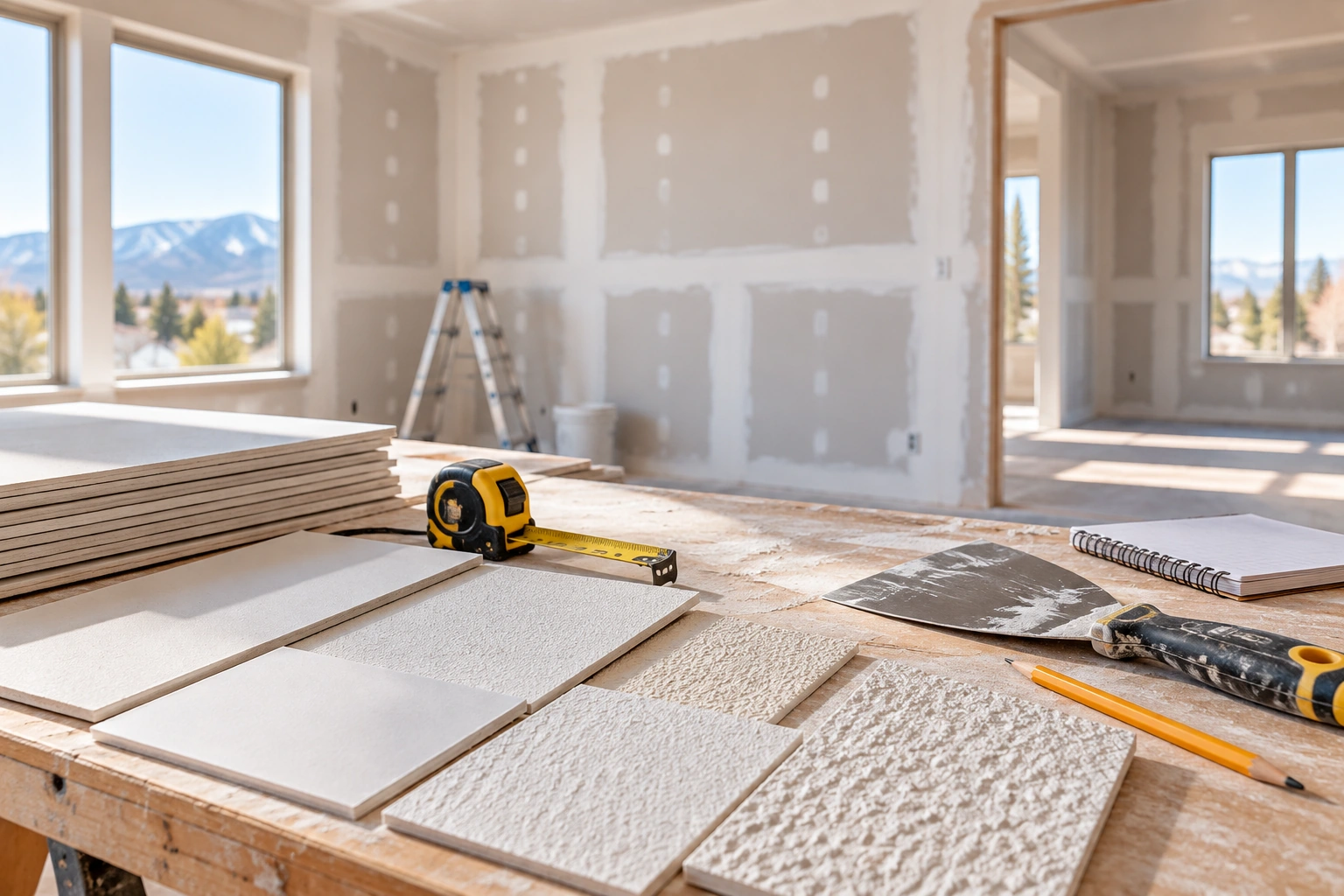
Common signs that a wall or ceiling needs attention before the damage becomes a larger finishing problem.
Read Article →Understand common crack patterns and why preparation matters before refinishing.
Read Article →A practical guide to blending repaired areas with surrounding wall or ceiling texture.
Read Article →Homeowners in Littleton and nearby communities choose Drywall Pros for careful drywall repair, clean finishing and clear communication.
“Drywall Pros repaired the damaged area in our living room and the finished wall blended in beautifully. The process was straightforward and the work area was kept clean.”
“We had a water-damaged section that needed attention before repainting. The repair was handled carefully, the surface was smooth, and the communication was excellent.”
“The ceiling had cracks and an older patch that stood out. The repaired area was finished neatly and matched the surrounding surface much better than before.”
“Professional, responsive and easy to work with. They explained the repair options clearly and left us with a clean, smooth result.”
Our listed services include drywall hole repair, crack repair, ceiling drywall repair, water-damaged drywall repair, texture matching, drywall finishing, drywall replacement, drywall installation, and basement drywall work.
Small, localized holes caused by nails, screws, wall anchors, or minor impacts can often be patched. Larger openings or damage to the surrounding material may require a different approach.
Drywall cracks can often be repaired, but the appropriate method depends on their location, size, and condition. If a crack keeps returning or becomes wider, the cause should be considered before the surface is repaired again.
Water-damaged drywall can be assessed for repair or replacement. The source of the moisture should be corrected first, and the affected area should be appropriately dry before cosmetic restoration begins. Soft, swollen, crumbling, or heavily deteriorated material may need replacement rather than a patch.
Common signs include brown or yellow stains, bubbling or peeling paint, soft or swollen drywall, crumbling edges, loose texture, and damage that keeps returning. A musty smell near an affected area can also be a reason to investigate possible moisture. The source of the water should be addressed before cosmetic drywall restoration begins.
We can assess common finishes such as orange peel, knockdown, popcorn, and smooth surfaces. The final match depends on the original texture, paint, age, lighting, and condition of the surrounding area.
Localized damage in otherwise sound drywall may be suitable for a patch. Heavily damaged, deteriorated, or moisture-compromised material may need replacement. The condition of the affected section is the key consideration.
Yes. Our listed services include drywall installation and finishing for suitable residential projects, including new wall surfaces, remodeling work, and basement drywall projects.
Describe where the damage is located, its approximate size, whether it is on a wall or ceiling, and what caused it if known. Photos showing the wider area and a close-up of the damage can also help. If moisture is involved, explain whether the source has been addressed. Further assessment may be needed to determine the final scope of work.
Call (720) 664-0414 or email [email protected]. Describe the damage, its approximate size, whether it is on a wall or ceiling, and whether there is an existing texture. Photos can also help communicate the condition of the area.
A damaged wall, cracked seam, stained ceiling, or unfinished drywall surface can make a room feel incomplete. Tell us where the damage is, what happened, and what you would like to improve. Photos can help make the initial project discussion more useful.
The appropriate solution may be a patch, texture repair, partial replacement, or new drywall installation, depending on the condition of the surface.